Norway · Sweden · Denmark

Fjords, Skerries and Islands Along the Scandinavian Coast

Three countries, three very different shorelines. Steep fjords suit hikers, granite skerries suit sailors and paddlers, and Denmark's low, sandy islands suit families on bikes. This briefing lines them up so you can stop guessing and pick one.

Compare Coasts

The Coast in Figures

Four numbers that explain why these coastlines feel so different from each other.

2Norwegian fjords on UNESCO's World Heritage List since 2005: Geirangerfjord and Nærøyfjord.
~30,000Islands, islets and rocks in the Stockholm archipelago, Sweden's largest skerry field.
204 kmLength of the Sognefjord, Norway's longest fjord, which reaches about 1,300 m deep.
286 mHeight of the highest shoreline on Sweden's High Coast, lifted by land uplift since the last ice age.

Pick a Shoreline: Norway, Sweden, Denmark

Each panel gives the landscape in one line, then who it suits best. Use the arrow keys to move between tabs.

Soft-lit render of a red and white lighthouse model standing on a plain pale grey background

Norway: vertical coast, deep water

Glacier-carved fjords cut up to 200 km inland, with walls rising more than 1,000 m. The west coast between Stavanger and Ålesund holds the classic names; Lofoten and Senja add Arctic peaks above the sea.

  • Hikers: Preikestolen, Trolltunga, Reinebringen and Segla.
  • Sailors: sheltered fjord water, but few anchorages and strong fall winds.
  • Families: car ferries, the Flåm Railway and short walks to Geiranger viewpoints.
Read the fjords briefing

Render of a neatly coiled blue sailing rope resting on a plain off-white background

Sweden: smooth granite, endless islands

Low, ice-polished rock islands fan out from Stockholm on the Baltic and from Gothenburg along the Bohuslän coast. Add Gotland's limestone sea stacks and the High Coast's raised shorelines.

  • Hikers: the High Coast Trail and Skuleskogen National Park.
  • Sailors: the best cruising ground in the region, with thousands of natural harbours.
  • Families: public island boats, swimming rocks and car-free islands near Gothenburg.

Read the skerries briefing

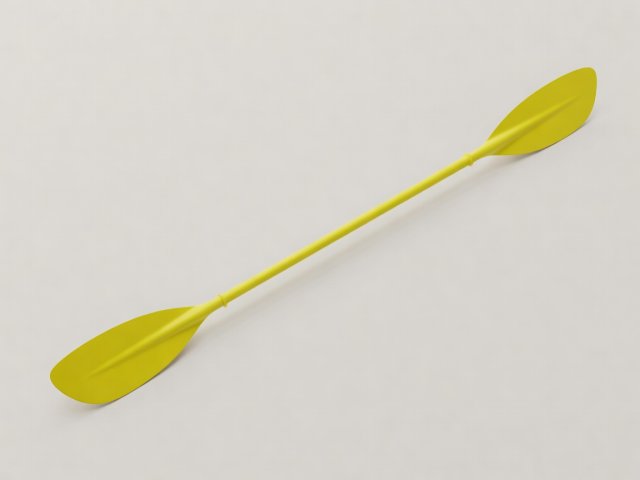
Render of a yellow two-bladed kayak paddle lying diagonally on a plain light background

Denmark: gentle islands, short hops

No point in Denmark lies more than about 50 km from the sea. Islands are small, flat and linked by frequent ferries, with Bornholm's granite cliffs as the dramatic exception.

  • Hikers: coastal paths on Bornholm and the Archipelago Trail around South Funen.
  • Sailors: the South Funen Archipelago, with short legs and many small harbours.
  • Families: Ærø, Fanø and Bornholm, with safe sandy beaches and bike routes.

Read the Danish isles briefing

Islands You Can Reach by Ferry

Five islands or island groups that work without a flight, with the crossing that gets you there.

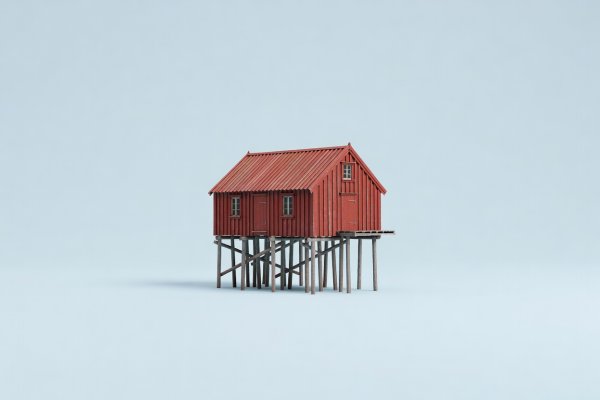
Render of a small red wooden fishing cabin model on stilts against a plain pale blue background
Norway

Lofoten

Car ferry from Bodø to Moskenes, roughly three to four hours across the Vestfjorden. Peaks, red rorbu cabins and cod-drying racks.

Lofoten briefing
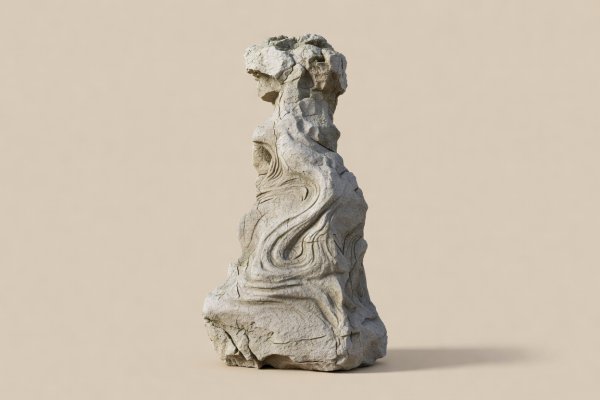
Render of a weathered limestone sea stack sculpture on a plain sand-coloured background
Sweden

Gotland

Ferries from Nynäshamn and Oskarshamn to Visby, about three hours. A walled Hanseatic town and the raukar stacks of Fårö.

Gotland section
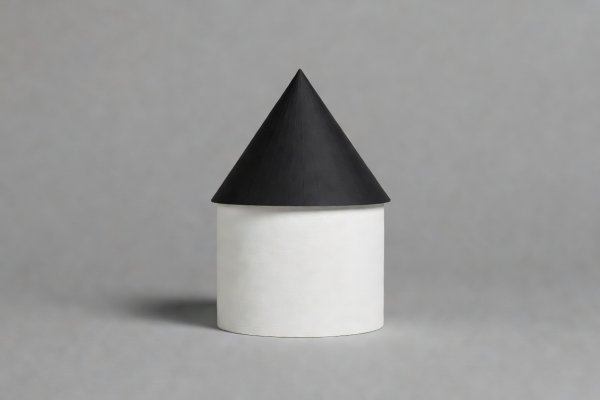
Render of a white round church model with a black conical roof on a plain grey background
Denmark

Bornholm

Fast ferry from Ystad in Sweden to Rønne, around 80 minutes. Granite cliffs, round churches and the Hammershus ruin.

Bornholm section
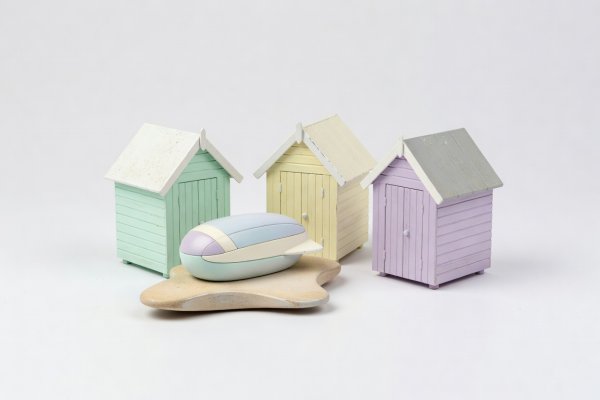
Render of three tiny painted beach hut models in pastel colours on a plain white background
Denmark

Ærø

Ferries from Svendborg, Faaborg and Fynshav. Cobbled Ærøskøbing, the maritime town of Marstal and pastel beach huts.

Ærø section
Render of a paper ferry boarding ticket with a torn edge on a plain teal background
Finland (Nordic)

Åland

Autonomous, Swedish-speaking Finnish islands between Stockholm and Turku, reached by ferries from Kapellskär, Grisslehamn and Stockholm.

Visit Åland (opens in new tab)

Fjord Terms Decoded

Local words you will meet on maps, timetables and trail signs.

Fjord

A long, narrow sea inlet carved by glaciers, usually deep in the middle and shallower at the mouth. Norway's are the textbook examples.

Skerry (Swedish: skär)

A small rocky island, often smooth and treeless, polished by ice. A skärgård is a whole archipelago of them.

Sill or threshold

The underwater ridge of glacial debris at a fjord's mouth. It keeps inner fjord water calmer and explains why depth jumps after the entrance.

Rauk (plural: raukar)

A limestone sea stack left standing after waves eroded softer rock around it. Fårö and northern Gotland have the best-known fields.

Klint

Danish for a steep coastal cliff, as in Møns Klint, a chalk wall rising about 128 m above the Baltic.

Rorbu

A traditional fisherman's cabin in northern Norway, built on poles over the water. Many in Lofoten now house visitors.

Best Months on the Water

Month by month across the four main coasts. Scroll sideways on small screens.

MonthWestern fjordsLofoten and SenjaSwedish skerriesDanish isles
JanuarySnow on high roads, short daysLow light, northern lightsWinter boat timetablesQuiet, grey, cheap ferries
FebruarySki and fjord combinationsSkrei cod season under wayIce possible in inner baysOff season
MarchBright, cold, few visitorsLong aurora nights, longer daysThaw beginsFirst coastal walks
AprilWaterfalls start to swellEnd of the cod seasonLimited island boatsSpring cycling
MayHardanger fruit blossomMidnight sun from late MayTimetables expandBeech woods in leaf
JunePeak waterfalls, mountain roads openMidnight sun, hiking seasonMidsummer weekend crowdsSankt Hans bonfires on 23 June
JulyWarmest and busiestMidnight sun ends mid-JulyPeak sailing and swimmingPeak beach season
AugustBest for long hikesDry spells, berry pickingWarmest sea waterWarm water, fewer families late in the month
SeptemberAutumn colour, fewer cruise callsNorthern lights returnBohuslän lobster season opensCalm, mild, quiet beaches
OctoberStorms, reduced ferriesAurora, dramatic weatherOyster season on the west coastSchool autumn holiday week
NovemberWettest stretchDaylight shrinking fastVery quietVery quiet
DecemberBergen's Christmas seasonSun below horizon for weeksHoliday boat runsChristmas markets in harbour towns

Common Coastal Questions

Fjords or islands for a first trip?

Choose fjords if scenery and hiking come first, Swedish skerries if you want to be on the water, and Danish islands if you are travelling with young children or by bike.

Do I need a car?

Not for Stockholm's archipelago, Bornholm or Ærø. In western Norway and Lofoten, a car saves a great deal of time, though buses and boats cover the main routes.

Can I camp wild?

Norway and Sweden have a public right of access that allows short stays on uncultivated land. Denmark is far more restrictive; use designated sites.

All coast and ferry questions